
Forex Trading Explained in Hindi
📈 Understand forex trading in Hindi with clear steps, key terms, Indian market insights, risks, and how to start trading effectively in today's currency market. ₹
Edited By
Oliver Simmons
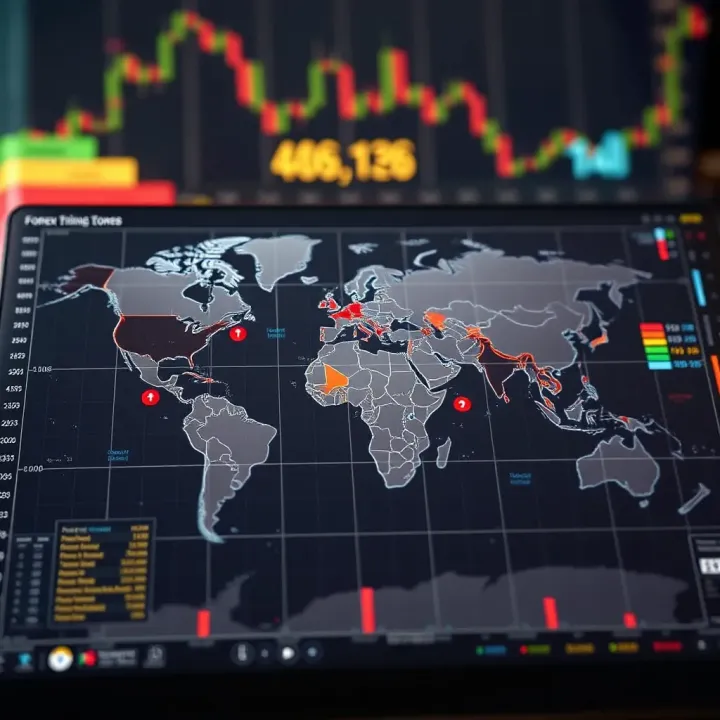
Forex trading operates 24 hours a day during weekdays, but not all hours are equal in terms of activity. The market is divided into global sessions — primarily the Sydney, Tokyo, London, and New York sessions — each corresponding to the major financial centers’ business hours.
The key thing is that trading activity spikes during session overlaps. For example, when the London and New York markets are both open from 8 AM to noon ET, liquidity and volatility tend to rise sharply. That’s when currency pairs like EUR/USD and GBP/USD often experience the truest swings.
Here’s why the timing matters:
Market liquidity: More participants trading simultaneously makes it easier to enter and exit positions at consistent prices.
Volatility: Price moves become less predictable and larger when sessions overlap.
Trading opportunities: Active hours provide more frequent signals for short-term strategies.
Consider a trader focused on the USD/JPY pair. They’ll find Tokyo’s session key but should watch for London’s open to catch increased movement. Meanwhile, a EUR/USD trader might prioritize London to New York overlap periods.
Beyond these sessions, economic announcements and news events can jolt markets at unexpected times, but having a grasp of trading hours helps set a baseline strategy.
Tip: Use economic calendars timed to your local timezone to anticipate when major reports like Nonfarm Payrolls or Fed interest rate decisions hit during market hours.
Understanding forex trading hours isn’t just about clock-watching; it’s about syncing your trades with periods when market conditions favor your approach. Ignoring these hours can mean trading in thin markets with wider spreads and higher slippage.
The global forex market operates 24 hours a day across different regions, thanks to a network of financial centers around the world. Understanding these trading hours is essential because forex market activity fluctuates heavily depending on which markets are open. Knowing when key trading sessions start and end can help traders optimize their strategies to take advantage of specific market conditions.
The Asian trading session typically opens with the Tokyo market, running roughly from 7 PM to 4 AM Eastern Time (ET). This session is known for lower volatility compared to European and North American hours but still sees significant activity in currencies like the Japanese yen (JPY), Australian dollar (AUD), and New Zealand dollar (NZD). Traders focusing on currency pairs involving these nations often find the Asian hours favorable, especially for strategies requiring less market noise and steadier price movements.
Starting around 3 AM ET and lasting until noon, the European session—anchored by London—brings a substantial uptick in market activity. London is the largest forex trading center globally, responsible for nearly 30% of daily volume. This period sees major currency pairs like EUR/USD reach peak liquidity. Moreover, the European session often sets the tone for the day, with price swings that provide opportunities for both day traders and swing traders. The overlap between the European and Asian sessions offers an extended window with moderate activity.
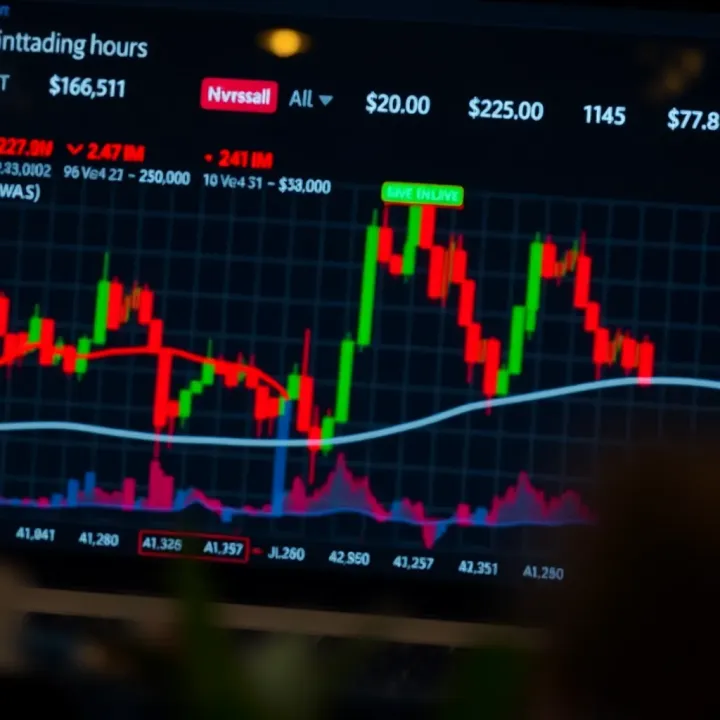
The New York session begins around 8 AM ET and closes at 5 PM ET. This session is especially critical since it overlaps with the European session for about four hours, creating the most liquid and volatile period of the day. This overlap tends to offer the best opportunities for active traders, with large swings in major pairs like USD/CAD, GBP/USD, and USD/JPY. Important economic reports from the U.S. and Canada are usually released during this session, further driving market movement.
Since the forex market spans continents, coordinating trades across different time zones is crucial. For example, a trader in New York needs to track the opening hours of the Asian and European sessions to spot potential price moves outside their local hours. Many use market clocks or tools integrated into trading platforms to manage this. A practical approach is to plan trades around overlapping sessions where liquidity and price action are most robust.
Daylight Saving Time (DST) adjustments can add complexity to tracking forex hours since not all countries switch at the same time. The U.S. and Europe observe DST but start and end it on different dates. For instance, in early March, when the U.S. moves clocks forward but Europe does not, the timing of the European session relative to New York shifts by an hour. Traders must adjust their schedules accordingly to avoid missed opportunities or mistimed trades.
Keeping track of time zone shifts and session overlaps can offer traders an edge, allowing them to focus their attention during the most active periods and sync trading strategies with market rhythms.
By understanding the global forex market schedule and managing time differences carefully, traders gain better control over their trading activities, helping to maximize opportunities and manage risks effectively.
Trading hours play a major role in how the forex market behaves throughout the day. Understanding these effects helps traders plan when to enter or exit positions, manage risk, and respond to changing market conditions. The two main factors influenced by trading sessions are liquidity—the ease of buying and selling without affecting the price much—and volatility, which is the market's price movement intensity.
Lower liquidity periods usually occur when major trading sessions are closed or when only smaller markets are open. For example, the time between the close of the New York session and the start of the Tokyo session tends to see thin trading activity. During these hours, spreads widen, and price movements can get choppy. This matters because low liquidity can cause price slippage—trades getting executed at worse prices than expected—making it risky for day traders or scalpers.
High volatility overlaps happen when two major sessions intersect, like the London-New York overlap from 8 AM to noon EST. This period often shows sharp price swings and heavy trading volume because traders from both hubs are active simultaneously. Volatility during overlaps presents opportunities for quick profits but also demands tighter risk controls. For instance, traders might see quicker moves in EUR/USD or GBP/USD pairs during these overlaps, which can be both an advantage and a trap if the market reverses suddenly.
Scheduled economic data announcements such as the U.S. Nonfarm Payrolls report or European Central Bank interest rate decisions are timed events that can cause spikes in market activity. Traders anticipating these releases tend to adjust their positions to avoid being caught off guard. For example, around 8:30 AM EST when the U.S. releases key employment data, the USD pairs typically experience increased volatility. Being aware of these schedules allows traders to plan entries more cautiously or capitalize on the moves.
Unexpected market events like geopolitical tensions, natural disasters, or sudden policy changes can trigger sudden price swings anytime, regardless of trading hours. Such surprises often cause sharp liquidity drops as market makers pull back, widening spreads and increasing unpredictability. A practical takeaway is to keep emergency stop-loss orders in place and avoid high leverage during uncertain times to limit potential losses.
Monitoring the relationship between trading hours and market behavior helps traders time their activities more effectively, balancing opportunities with risk management.
Understanding these dynamics around forex trading hours can significantly improve your approach, making you more prepared for when the market is ready to move—or stall.
Understanding the timing of forex trading sessions is key to building effective strategies. Trading hours influence market liquidity and volatility, which in turn impact trade execution and potential profits. By aligning your trading approach with these hours, you can improve your chances of success while managing risks.
Trading during session overlaps offers some of the best opportunities for traders. When two major markets are open simultaneously—like the London and New York sessions—liquidity surges and price movements become more significant. This overlap creates a fertile environment for entering trades with tighter spreads and better execution. For example, EUR/USD often sees sharp moves during the London-New York overlap, making it attractive for day traders seeking quick gains.
On the flip side, avoiding low activity periods is just as important. Times like the late Asian session or early European hours often see reduced volume, leading to wider spreads and erratic price swings. Trading in these quiet windows can expose you to unnecessary risk and slippage. Instead, waiting for more active sessions helps maintain smoother trade execution and reliable price action.
Scalping during high volatility spikes, particularly in overlap periods, can yield quick profits by exploiting rapid price changes. Scalpers thrive on short-term trends and rely on swift decisions within tight timeframes. For instance, during the New York-Tokyo overlap, quick reactions to economic news can drive short bursts in currency pairs like USD/JPY, offering scalpers solid chances to capitalize.
Alternatively, swing trading during quieter times suits traders looking to hold positions over several days. Lower volatility periods help reduce the noise that can trigger premature stop-outs. For example, the calm in the Asian session provides an ideal setting for swing traders to analyze macro trends and position themselves ahead of upcoming major moves during busier sessions.
Remember, syncing your strategy with trading hours isn’t just about catching big moves—it’s also about staying safe from unnecessary risks tied to low liquidity and unpredictable price shifts.
By understanding and using trading hours wisely, you tailor your approach to the market’s natural rhythms. This not only boosts efficiency but also helps in managing the emotional ups and downs that come with trading. Always keep an eye on session overlaps and low activity times as you build your trading plan.
Managing your time and tools effectively during forex trading hours can significantly improve your decision-making and overall results. Being aware of when markets are most active helps you avoid pitfalls like low liquidity and excessive fatigue. This section offers practical advice to help you stay sharp and efficient while trading.
Using forex market clocks and calendars is a straightforward way to keep track of global trading hours. These tools highlight the opening and closing times of major forex markets like Tokyo, London, and New York, helping you pinpoint the best windows for activity. For example, seeing that the London-New York overlap starts can alert you to expect higher volatility and liquidity, perfect for trades requiring quick price movement.
Broker platforms often feature built-in tools for session tracking too. Features might include customizable alerts for session openings or economic event timers that tell you when important news will hit the market. For instance, platforms like MetaTrader 5 show different market sessions on their charts, so you don’t lose track of which session you're trading in. This helps you manage risk and choose trades aligned with optimal hours.
Scheduling regular breaks during trading hours can protect you from burnout and keep your mind fresh. Forex markets can move quickly, and a few minutes away every hour can prevent mistakes caused by tiredness. For instance, following the Pomodoro technique (25 minutes focused work, 5 minutes break) aligns well with high-intensity trading periods, ensuring you stay alert during critical moments.
Balancing trading with personal time is equally important. Since forex markets never sleep, it can be tempting to keep watching charts 24/7. But long stretches without rest can cloud judgment. Set firm boundaries for your trading hours, like only trading during the most active sessions or slotting in downtime after major market events. Keeping this balance prevents stress and helps maintain a healthy work-life routine.
The bottom line is that managing your schedule and trading tools with discipline improves both your focus and results. Stay aware of market timings, use session tracking tools, and don’t underestimate the power of taking breaks to keep your edge sharp.
📈 Understand forex trading in Hindi with clear steps, key terms, Indian market insights, risks, and how to start trading effectively in today's currency market. ₹
📈 Explore forex trading essentials: how currencies are bought & sold globally, who trades, key factors, strategies, risks & tips tailored for Indian beginners.

Discover how to pick the best forex trading app in the UK 🇬🇧 by comparing features, costs, and security. Trade smart with trusted apps and manage risks wisely 📊💡
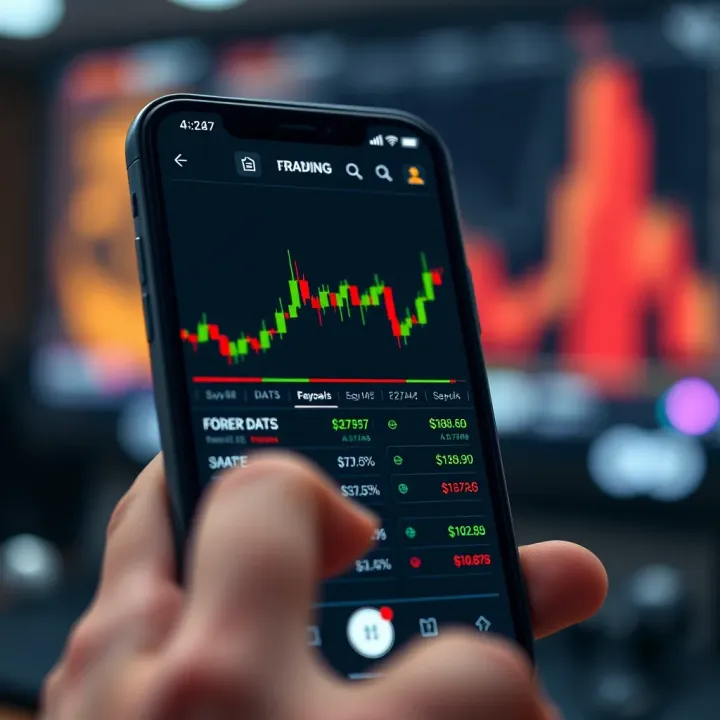
Discover how to pick the best forex trading app in India 🇮🇳 by checking features, fees, and RBI regulations for safe currency trading from your mobile.
Based on 15 reviews