

Legal Status of Forex Trading in India
📈 Get clear guidance on forex trading legality in India 🇮🇳. Learn RBI and SEBI rules, what’s allowed, what’s not, and stay compliant with Indian regulations.
Edited By
Charlotte Ellis
Forex trading in India operates under a strict legal framework governed primarily by the Reserve Bank of India (RBI) and the Securities and Exchange Board of India (SEBI). Unlike in some countries where retail forex trading includes a wide range of currency pairs, Indian traders are only allowed to trade certain currency pairs paired against the Indian Rupee (INR), such as USD/INR, EUR/INR, GBP/INR, and JPY/INR.
Trading in international currency pairs like EUR/USD or USD/JPY through offshore brokers is considered illegal for Indian residents. This restriction helps control foreign exchange risks and prevents unauthorized capital flow.

The bottom line is that forex trading in India is legal only when conducted through authorized platforms and strictly follows the prescribed currency pairs involving the Indian Rupee.
Authorized Dealers: Only RBI-licensed banks and brokers registered with SEBI can offer forex trading services.
Currency Restrictions: Trading is limited to INR-based pairs; cross-currency pairs are prohibited for resident Indians.
Reporting Requirements: All trades must be reported transparently to ensure compliance with the Foreign Exchange Management Act (FEMA).
Engaging in unauthorized forex trading exposes traders to regulatory penalties, including hefty fines and even criminal charges. Using offshore accounts or unlicensed brokers can lead to loss of funds without legal recourse.
Additionally, forex trading carries inherent risks like market volatility, leverage-related losses, and scams. Playing within legal boundaries minimizes some of these risks, but due diligence is essential.
Always verify broker registration with SEBI and RBI permissions.
Stick to INR currency pairs when trading domestically.
Keep detailed records of all transactions for tax and regulatory purposes.
Educate yourself on FEMA regulations to avoid inadvertent violations.
Understanding these regulations not only keeps your trading legal but also helps you navigate the forex market safely and smartly in India.
Navigating forex trading in India requires a solid grasp of the legal framework that controls it. This framework sets the boundaries for what’s allowed, helping traders avoid pitfalls and operate within the law. Without understanding these rules, investors risk heavy fines or worse. For instance, the Reserve Bank of India (RBI) and the Securities and Exchange Board of India (SEBI) play vital roles in oversight, making sure forex trading aligns with national financial policies.
RBI holds the primary authority over foreign exchange in India. It regulates currency flows and ensures the stability of the Indian rupee on global markets. Practically, this means the RBI controls which currency pairs can be legally traded, mainly allowing pairs that include the Indian rupee. SEBI, on the other hand, supervises trading platforms and brokers dealing in currency derivatives. It makes sure these participants comply with fair trading practices and investor protection norms.
Foreign exchange laws under these authorities impact traders directly. For example, because RBI limits forex trading to recognized exchanges like the NSE and BSE actively observing these rules, any trading on unauthorized platforms outside this scope is illegal. This control keeps the market orderly, preventing unauthorized speculation that might destabilize the currency.
FEMA is the central legislation governing forex transactions in India. It simplifies and consolidates foreign exchange regulations while ensuring adherence to the country’s monetary policy. One key provision of FEMA is that it authorizes retail forex trading solely on Indian exchanges approved by the RBI, with trades limited to pairs involving the Indian rupee. This legal framework ensures transparency and curbs misuse of foreign exchange for money laundering or capital flight.
However, FEMA imposes restrictions too. It prohibits Indian residents from trading forex pairs without the rupee, like EUR/USD or USD/JPY, on offshore platforms. Furthermore, it restricts speculative transactions outside authorized avenues. Violating these restrictions can lead to penalties ranging from fines to imprisonment. For example, cases where traders used unregulated offshore brokers led to enforcement actions under FEMA, showing authorities take breaches seriously.
Staying within the legal framework not only shields traders from penalties but also promotes a secure trading environment that benefits all market participants.
By understanding the roles of RBI, SEBI, and FEMA, traders can make informed decisions and avoid legal complications in forex trading in India.
Understanding which types of forex trading are authorized is key for anyone interested in the Indian market. Since forex trading involves currency exchange, India’s regulations strictly define what’s legal, primarily to protect the economy from unregulated foreign exchange activities.

In India, forex trading is allowed only for currency pairs that include the Indian Rupee (INR). This means you can trade pairs like USD/INR, EUR/INR, GBP/INR, or JPY/INR on Indian exchanges. The government’s focus is on keeping forex transactions within the domestic framework to manage capital flows and curb illegal trading in offshore pairs.
What does this mean for traders? For starters, you won’t find legal platforms in India offering trades in pairs like EUR/USD or GBP/JPY. Such trades fall under unauthorized forex trading and carry legal risks.
Official platforms for legal forex trading usually list only pairs with INR as one leg. Trading these pairs gives you the security of regulatory protection, a transparent framework, and access to recognized exchanges. It also means your transactions happen under the watchful eye of Indian authorities.
You’ll find authorized forex trading only through recognized stock exchanges and registered brokers within India. The exchanges offer forex futures, options, and other derivatives strictly on INR pairs. This controlled environment makes sure all trading activities comply with Indian laws and Reserve Bank of India (RBI) guidelines.
Trading through official platforms also ensures access to proper clearing, settlement, and dispute resolution mechanisms. For example, the National Stock Exchange (NSE) and Bombay Stock Exchange (BSE) facilitate these forex trading activities legally and transparently.
Legal forex trading happens on a handful of exchanges in India, mainly NSE, BSE, and MCX-SX. These exchanges are regulated by the Securities and Exchange Board of India (SEBI), which ensures that market participants follow prescribed rules.
For traders, the advantage is clear: using these exchanges means you're dealing with trustworthy systems that offer market integrity. They maintain order books, manage liquidity, and ensure trades clear properly, which reduces fraud and market manipulation.
Platforms like NSE strictly monitor their brokers and traders for compliance with rules set by RBI and SEBI. They require brokers to hold licenses, verify client identities, and enforce trading limits aligned with FEMA guidelines.
Moreover, these exchanges have built-in safeguards such as real-time monitoring of trades and automated alerts for suspicious activity. This setup helps keep the market clean and protects investors from unauthorized or high-risk forex trades.
Trading on recognized Indian exchanges provides a legal and safer way to participate in forex markets, helping you avoid costly penalties and legal hassles associated with unauthorized trading.
In summary, sticking to authorized currency pairs involving the Indian Rupee and trading through licensed Indian exchanges isn't just the law—it’s how you protect your investments and trade with confidence.
Understanding prohibited forex trading practices is essential for anyone involved or interested in the Indian forex market. Knowing what actions cross the legal line helps traders avoid heavy penalties and ensures that investments remain secure under Indian law. This section breaks down key illegal activities and their consequences, giving you a clear picture of what to avoid.
Trading currency pairs that do not include the Indian rupee (INR) is illegal in India. The Reserve Bank of India (RBI) strictly limits forex activity to pairs involving the INR to maintain control over currency flow and avoid illegal capital movement across borders. For example, trading pairs like EUR/USD or GBP/JPY through Indian brokers is forbidden because they exclude INR.
Such regulations matter because they protect India’s foreign exchange reserves and ensure compliance with the Foreign Exchange Management Act (FEMA). Attempting to trade these pairs can expose traders to unregulated markets and higher risks since these trades fall outside the legal framework.
Unauthorized trading venues flourish online, enticing traders with promises of lucrative returns on non-INR pairs. These platforms often operate without licenses or oversight, ranging from offshore trading sites to clandestine social media groups where traders execute forex deals. A common pitfall is using overseas brokers who claim to accept Indian clients; these brokers bypass RBI regulations and potentially expose traders to fraud or failure to enforce investor protections.
Enforcement agencies in India treat illegal forex trading seriously. Penalties can include hefty fines, criminal prosecution, and even imprisonment in severe cases. The Enforcement Directorate and RBI consistently monitor suspicious forex activities, especially those running through unauthorized brokers. For instance, individuals caught trading in prohibited currency pairs risk prosecution under FEMA, with consequences extending beyond financial loss to legal standing.
Beyond legal penalties, illegal trading significantly impacts investors’ financial health. Since unauthorized platforms don't follow Indian regulations, traders lose the safety net of dispute resolution and transparent pricing. Many fall victim to scams or sudden platform shutdowns, wiping out their investments without recourse. Plus, funds routed through these illegal channels can lead to freezing of bank accounts or asset seizures as authorities crack down on violations.
Trading forex outside the legal framework is not only risky but can also lead to severe penalties and lasting damage to your financial reputation.
In summary, sticking to forex pairs involving the Indian rupee and trading only on recognized exchanges protects you from both legal trouble and financial harm. Avoid tempting shortcuts offshore or unlicensed platforms—those quick gains often come at a steep cost.
Navigating the legal landscape of forex trading in India requires more than just understanding the rules—it demands actively staying within them. Compliance helps you protect your investments and avoid hefty penalties. It’s vital to partner with brokers who follow the law and to stay updated on transaction limits and reporting norms.
Verifying broker credentials is your first line of defense against fraud and illegal trading. Always check for licenses issued by the Securities and Exchange Board of India (SEBI) or registration with the Reserve Bank of India (RBI). For instance, if a broker claims to offer forex trading but isn’t backed by these authorities, it’s a red flag. Using non-licensed brokers can lead to loss of funds with no legal recourse.
The importance of regulatory oversight cannot be overstated. Licensed brokers are subject to periodic audits, compliance checks, and must adhere to investor protection guidelines. This oversight reduces risks like market manipulation, unfair pricing, or unauthorized trades. For example, a SEBI-approved broker runs on strict mandates that protect traders’ interests, such as transparent order execution and segregated client accounts, making it safer to trade.
India imposes specific guidelines on trading limits to prevent excessive speculation and curb illegal money flows. These limits typically restrict the maximum amount you can trade or hold in forex positions, particularly involving the Indian Rupee. For example, individual traders might face caps on certain currency pairs, ensuring trading volume stays within legal bounds.
Beyond limits, mandatory disclosures and record keeping play a key role. Traders must maintain detailed records of their transactions and report them as required by tax laws and regulatory bodies. This transparency helps authorities monitor suspicious activities and protect the market’s integrity. Keeping accurate records also benefits you during tax season or if you need to resolve disputes.
Staying compliant is not just about avoiding penalties; it’s about trading in a secure, transparent environment. Always confirm your broker’s license, respect trading limits, and maintain proper records to ensure a smooth, legal forex trading experience.
Assessing the risks and benefits of forex trading in India is essential before jumping into the market. Indian forex traders operate under specific rules that impact potential rewards and risks — so knowing these details helps you make smarter decisions and avoid costly mistakes.
The Indian forex market experiences unique volatility because of domestic policy shifts, geopolitical tensions, and global economic trends affecting the rupee. For instance, sudden changes in the Reserve Bank of India’s stance on interest rates or foreign investment policies can cause sharp rupee swings against the US dollar, impacting currency pair prices.
This volatility means traders face frequent price fluctuations that can amplify gains but also losses. Managing capital exposure becomes crucial here. A trader putting too much of their portfolio into a single forex trade, especially in volatile pairs like USD/INR, risks large losses if the market moves against them. Using stop-loss orders and limiting the size of each position helps control downside exposure.
Setting realistic expectations in forex trading is key. While the forex market offers profit opportunities due to its 24-hour nature and leverage options, consistent profits are tough without solid strategies and risk management.
Leverage allows traders to control larger positions with smaller amounts of capital. For example, a 50:1 leverage means you can trade $50,000 worth of currency with just $1,000. This magnifies both profits and losses. In India, leverage rates are regulated on approved platforms, but traders must understand that misuse of leverage can wipe out their investment quickly.
The bottom line is that forex trading in India can provide decent returns if approached with caution, informed choices, and a well-planned risk management strategy. However, the possibility of significant losses is very real, especially for those ignoring volatility and leverage risks.
Staying aware of how volatility and leverage affect your capital is critical. Without proper controls, even experienced traders can face hefty setbacks.
Keep position sizes small relative to your total capital
Use stop-loss and take-profit orders consistently
Understand leverage limits and use them judiciously
Follow economic updates impacting the INR and global markets
Evaluating these factors will help you approach forex trading in India not just legally, but safely and with realistic profit goals.
📈 Get clear guidance on forex trading legality in India 🇮🇳. Learn RBI and SEBI rules, what’s allowed, what’s not, and stay compliant with Indian regulations.

📱 Explore legal forex trading apps in India! Get key tips on regulations, safety, and trusted platforms for smart, secure trading decisions.
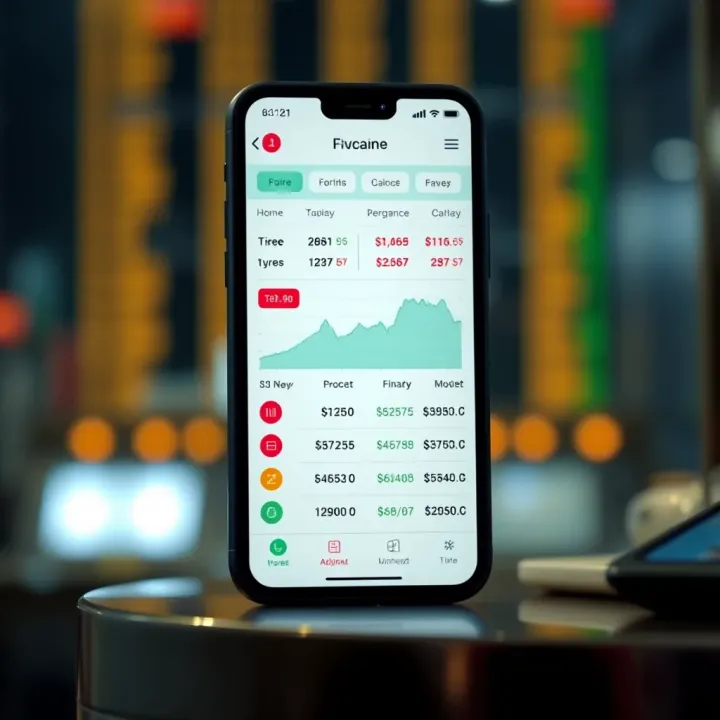
Explore legal forex trading apps in India 📱, understand regulations, spot genuine platforms, and get tips for safe, compliant trading. Stay informed and trade smart!

Discover how to pick the best forex trading app in India 🇮🇳 by checking features, fees, and RBI regulations for safe currency trading from your mobile.
Based on 15 reviews