

Understanding Forex Trading: A Clear Guide
📈 Explore forex trading essentials: how currencies are bought & sold globally, who trades, key factors, strategies, risks & tips tailored for Indian beginners.
Edited By
Sophie Clarke
Risk management is all about spotting potential threats to your money or business and figuring out ways to handle them before they cause real damage. It’s not just about avoiding losses but also about making smarter decisions that let you stay ahead of unexpected challenges.
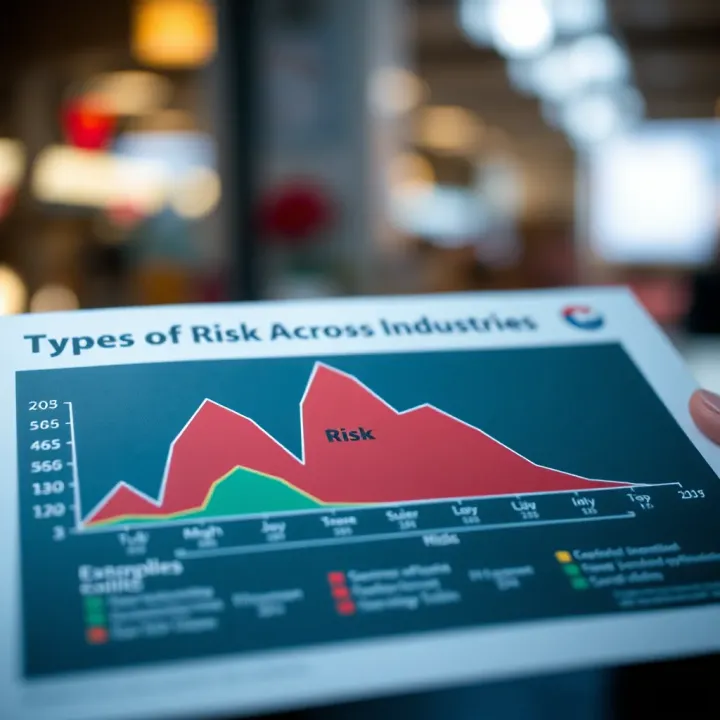
Risks come in many forms, and knowing what you’re dealing with helps you put the right plan in place. Some key types include:
Market Risk: Changes in stock prices, interest rates, or currency values can bite hard. For example, a sudden drop in oil prices can impact energy investments.
Credit Risk: When borrowers or customers fail to pay back what they owe. Think of a company that counts on a major client who suddenly goes bankrupt.
Operational Risk: Mistakes, system failures, or fraud within a business. An example is a glitch in a trading platform causing incorrect orders.
Legal and Compliance Risk: Failing to follow laws or regulations, which can mean fines or legal trouble.
It's not enough to just know risks exist—you need to measure how likely they are and what damage they might cause. Common methods include:
Qualitative Assessment: Experts give their judgment based on experience—useful for new or complex risks.
Quantitative Analysis: Using numbers, historical data, and models to estimate probabilities and potential losses. Value at Risk (VaR) is a common example in finance.
Scenario Analysis: Imagining different "what if" situations, like a recession hitting or a major supplier failing.
Mitigating risk means reducing its impact or likelihood. This can be done by:
Diversifying Investments: Don’t put all your eggs in one basket—invest across different sectors or asset types.
Hedging: Using options, futures, or insurance policies to offset potential losses.
Implementing Strong Controls: Tight policies, regular audits, and clear procedures help catch issues early.
Continuous Monitoring: Risks evolve, so keep an eye on markets, regulations, and internal processes.
Keep in mind: Risk management isn’t a one-time fix; it’s an ongoing process that needs regular tweaking.
Getting a grip on risk management gives you a clearer picture to make confident moves, whether you’re trading stocks, running a startup, or managing a portfolio. Ultimately, understanding and planning for risks helps keep surprises at bay and your goals within reach.
Risk management is about spotting potential threats that could damage your business or investments, then figuring out how to handle them before they spiral out of control. It's not just about avoiding problems but also about making better decisions by understanding the risks involved. For traders and investors, this means protecting capital and boosting confidence in their strategies. For businesses, risk management keeps operations smooth and shields reputations from harm.
At its core, risk means the chance that something unfavorable will happen, often causing loss or damage. For example, a sudden drop in stock prices poses a risk to investors, while a factory might face risks from equipment failure. Understanding these risks helps in preparing for them rather than being caught off guard.
There’s a key difference between risk and uncertainty that often trips people up. Risk involves situations where probabilities are known or can be estimated — say, the chance of a stock dropping based on past volatility. Uncertainty, on the other hand, deals with unknowns that aren’t easily measured, like how a new competitor might change the market landscape. Businesses tend to tackle risk with data-driven strategies, but uncertainty requires more flexibility and ongoing monitoring.
Protecting assets and reputation is often the first reason companies invest in risk management. Imagine a retailer who faces the risk of a data breach. Effective risk controls not only protect sensitive customer information but also keep the company’s name clean. Losing customer trust can cost far more than immediate financial losses.
Supporting decision-making is another vital function. Say a trader considers buying shares in a volatile sector. Risk management techniques help estimate potential downsides and upsides, enabling informed choices rather than gut feelings. This process reduces guesswork and makes strategies more reliable.
Ensuring compliance and safety often goes hand in hand with risk management, especially in regulated industries like finance or healthcare. Firms must meet standards to avoid fines or shutdowns. For example, banks use risk management to comply with SEC and FDIC rules while protecting client assets. Beyond rules, this focus also promotes workplace safety and ethical practices, which matters to employees and customers alike.
The bottom line is that risk management isn't just a defensive move — it actively supports growth and stability by preparing you for the unexpected.
In short, practical risk management translates into smarter investment choices, smoother business operations, and safeguarding both money and reputation. It's a tool every professional should understand to stay ahead in today’s unpredictable markets.
Understanding the various kinds of risks an organization faces is essential because it shapes how you prepare and respond. Knowing what you're up against lets you focus resources where they matter most. For traders and investors, spotting these risks early can prevent significant losses and inform smarter decisions.
Market risk involves potential losses from fluctuations in market prices, like stocks, bonds, or commodities. For instance, if you’re holding a tech stock and the sector suddenly tanks due to economic worries, that’s market risk playing out. It’s tricky because market swings can be sudden and widespread, impacting portfolios even when the underlying business is solid.
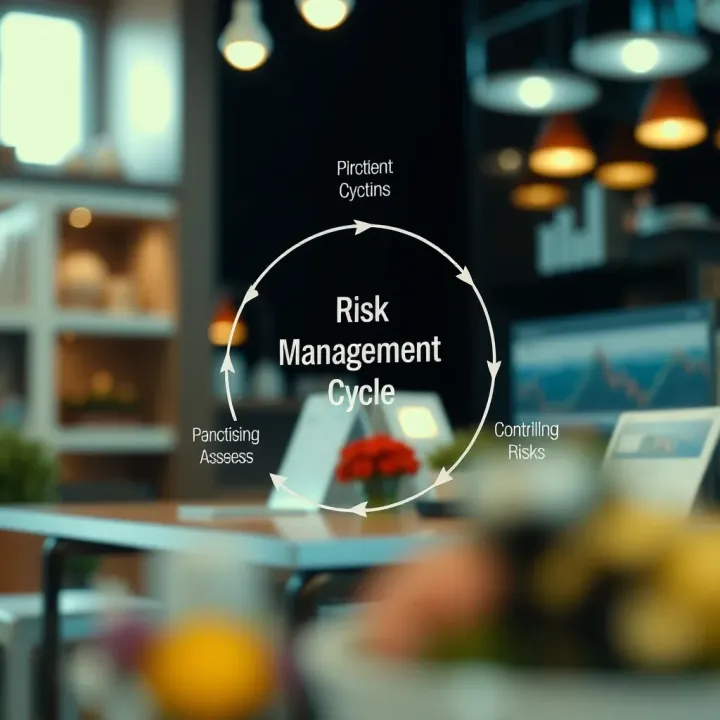
Credit risk arises when a borrower or counterparty fails to meet their financial obligations. Imagine lending money to a startup that misses payments – that’s credit risk in action. This is especially relevant for banks, bond investors, and any business extending credit to customers or suppliers.
Liquidity risk is when an asset can’t be sold quickly enough without losing value. Suppose you hold shares in a small company with thin trading volume; selling large portions might push prices down drastically. For businesses, not being able to convert assets into cash can cause serious cash flow issues during tight times.
Process failures happen when internal workflows fall apart or don’t work as intended. Picture an online retailer whose order system glitches during Black Friday, causing delayed shipments and unhappy customers. These disruptions can hit profitability and customer trust hard.
Human errors refer to mistakes made by employees, like data entry errors or mishandling sensitive information. Even the best-trained teams slip sometimes, leading to issues like financial misstatements or security breaches. These errors can be costly, especially if they trigger compliance penalties.
System breakdowns concern technology failures, such as server crashes or software bugs. When a bank’s payment system goes offline, customers can’t make transactions, which hurts both reputation and revenue. Regular system testing and backups are practical ways to lessen this risk.
Regulatory changes present challenges when laws or industry rules shift unexpectedly. A new environmental regulation might force a manufacturing company to overhaul processes, adding costs and slowing production. Staying updated on proposed laws helps companies brace for these shifts.
Competitive threats emerge when rivals bring innovative products or undercut prices, threatening market position. A startup introducing a disruptive tech could erode sales for established companies if they fail to adapt.
Reputational damage refers to the harm done to a brand’s image due to scandals, poor service, or negative publicity. For example, a security breach exposing customer data can erode trust and lead to lost business, often with long-lasting effects.
The bottom line is that understanding these risks helps organizations build stronger defenses and react faster when challenges arise. Keeping an eye on financial, operational, and strategic risks prepares you for a wide range of scenarios.
Assessing and measuring risk is a key step in managing it effectively. Without a clear sense of what risks a business or investment faces, and how likely they are to cause trouble, it's tough to allocate resources or make informed decisions. Think of it like navigating with a map: pinpointing hazards helps you avoid pitfalls and focus on what really matters.
Risk registers serve as an organized list tracking all identified risks within a project or organization. Imagine a trader maintaining a spreadsheet that logs potential risks—from market volatility to currency fluctuations—along with their status and mitigation plans. This tool offers a centralized look, ensuring nothing falls through the cracks, and helps teams track developments over time.
Checklists offer a more straightforward way to spot common risks by following a predefined set of questions or criteria. For instance, an investor might use a due diligence checklist before acquiring assets, covering legal, financial, and operational factors. This practical tool ensures you don’t overlook frequent issues that could otherwise disrupt plans.
Brainstorming sessions bring multiple perspectives together to capture less obvious or emerging risks. A financial analyst team, for example, might gather regularly to discuss new regulations or market trends that aren’t on the radar yet. This collaborative approach invites fresh ideas, often uncovering hidden risk areas.
Assessing how likely a risk is to occur and what effect it could have helps prioritize efforts. Qualitative analysis uses descriptive factors—like "high," "medium," or "low" impact—to offer a quick, understandable snapshot. For smaller funds or fast decisions, this works well. By contrast, quantitative analysis assigns numbers or probabilities, such as estimating a 15% chance of a stock price drop by 10%, which aids in more precise modeling.
A risk matrix combines likelihood and impact visually, often in a grid format. For example, if liquidity risk rates high in both probability and impact, it’ll appear in the matrix's critical zone. This visual design helps decision-makers identify risks needing immediate attention.
Scenario analysis goes a step further by exploring "what if" situations, such as what happens if interest rates spike or supply chains pause. This method offers insights into how risks interact and evolve, guiding contingency planning with concrete examples.
After evaluating risks, some need tackling more urgently than others. Risk ranking orders risks by their significance—think of it as triage. For a portfolio manager, ranking downside risks helps decide which assets to hedge first.
Lastly, cost-benefit considerations weigh the cost of mitigating a risk against the expected damage if it strikes. Sometimes accepting a risk makes sense if controlling it costs more than the potential loss. For instance, a small startup might skip insuring against rare events to save capital, monitoring risks instead.
The bottom line is assessing and measuring risk is not just about spotting problems but about smart allocation of time and money. A systematic approach lets you act where it counts most and continuously adapt as things change.
Risk management doesn’t stop at spotting potential threats; the real challenge is figuring out how to handle them effectively. Strategies to manage and mitigate risks provide a roadmap for businesses and investors to either dodge trouble or soften its blow. This section breaks down practical approaches that help keep risks in check, protect assets, and support better decision-making.
Process improvements play a key role in minimizing risks by streamlining operations and removing inefficiencies. For example, a manufacturing firm might introduce automated quality checks to catch defects early, reducing the chance of costly product recalls. Such enhancements not only lower the risk itself but can also improve productivity.
Training and controls help ensure that employees understand the importance of following safety protocols and operational guidelines. Regular training sessions might focus on cybersecurity for staff handling sensitive data, reducing human error that could lead to a breach. Controls like segregation of duties or approval workflows further keep risks in check by adding layers of oversight.
Insurance offers a practical way to shift financial risks. Businesses often buy insurance policies to cover property damage, liability, or business interruption. For instance, a restaurant might insure against fire damage, so if disaster strikes, the payout helps cover losses and rebuild quickly rather than draining cash reserves.
Outsourcing and contracts are another method to transfer risks, especially operational or compliance-related ones. When a company contracts a third-party for IT services, it shifts certain risks to the vendor, who assumes responsibility for system uptime and security. Detailed contracts spell out performance expectations and liability, reducing exposure.
When to accept risk depends on cost-benefit analysis. Sometimes, the cost to eliminate a risk may outweigh the potential loss. A startup might accept certain cybersecurity vulnerabilities temporarily because fixing them immediately isn’t feasible, but still keeps an eye on the issue.
Ongoing review and adjustment make risk management a continuous process. Markets, technologies, and regulations change, so businesses revisit their risk strategies regularly. Investors, for example, monitor their portfolio risks quarterly to adjust holdings based on new data or economic shifts.
The bottom line is, managing risk is more than just defense—it’s about choosing the right way to handle threats based on your goals, resources, and risk appetite. Combining avoidance, transfer, and acceptance creates a balanced approach to protect business assets and ensure resilience.
Seeing risk management in practice helps clarify how its principles work across industries. It turns abstract ideas into concrete actions businesses can measure and improve. Real-world examples show how managing risk protects assets, controls losses, and keeps operations running smoothly.
Portfolio diversification is a practical way investors reduce exposure to any one asset or market risk. By spreading investments across stocks, bonds, real estate, and other asset classes, the impact of a loss in one area is softened. For example, during the 2008 financial crisis, investors solely in banking stocks were hit hard, while those with diversified portfolios weathered the storm better. Diversification doesn’t guarantee profits, but it lowers volatility and potential for catastrophic loss.
Hedging acts like insurance on investments. It involves taking offsetting positions to protect against adverse price movements. Traders often use derivatives like options or futures to hedge. Say an investor holds large shares in an airline; they might buy oil futures contracts to offset rising fuel costs. Though hedging comes with costs and can limit upside gains, it offers a way to manage risks that can’t be diversified away.
Planning for risks before they hit is essential in project management. Contingency plans outline specific steps if unexpected problems arise—like supplier delays or cost overruns. In construction projects, a contingency budget is often set aside. If materials price spikes unexpectedly, there’s a financial buffer to handle the increase without derailing the entire plan. It’s about expecting the unexpected and having a fallback ready.
Keeping everyone in the loop is an underrated risk control tool. Clear communication with stakeholders—from team members to clients—helps spot issues early. If a project milestone slips, timely updates can mobilize resources to adjust schedules or scope. Poor communication, on the other hand, breeds confusion and missed deadlines. Consistent, transparent dialogue helps align expectations and manage risks collaboratively.
With so much data online, cybersecurity has become a frontline risk area. Businesses invest in firewalls, antivirus, and employee training to prevent breaches. For instance, a phishing attack can cripple operations by stealing credentials. Regular security audits and safeguards like two-factor authentication help reduce those risks significantly. Cyber defenses are not just tech issues but vital for maintaining customer trust and avoiding costly downtime.
Supply chain hiccups, such as shipping delays or raw material shortages, can stall business operations fast. Companies build resilience by diversifying suppliers, keeping safety stock, or redesigning products to use alternative materials. Take the global chip shortage starting in 2020—those with flexible supply chains adapted faster and kept production running. Resilience helps a business bounce back quickly from disruptions without hefty losses.
Practical examples like these demonstrate that managing risk isn’t just theory—it’s about integrating smart practices into everyday decisions. They provide blueprints for taking control of uncertainties and protecting what matters most.
📈 Explore forex trading essentials: how currencies are bought & sold globally, who trades, key factors, strategies, risks & tips tailored for Indian beginners.

📈 Learn to spot bullish chart patterns to predict upward market trends confidently. Access practical tips and useful PDF guides tailored for Indian traders.

📱 Discover how official trading apps boost your investing skills with top features, security tips, and expert advice for safe, smart trading in India.
📈 Learn how mock trading apps help beginners and pros practice stock trading without risk. Discover tips, benefits, and common pitfalls to trade smarter!
Based on 15 reviews