

Best Trading Apps in India: A Practical Guide
Explore top trading apps in India 📱 Compare features, costs, and ease of use to find the perfect fit for your trading style, whether you're new or experienced.
Edited By
Benjamin Reed
Choosing the right trading app in India isn't just about flashy interfaces or catchy ads. It boils down to usability, security, fees, and the range of instruments offered. Whether you’re dipping your toes in equity or diving into derivatives, the app you pick can make or break your trading experience.
Trading apps in India are more than just platforms to buy and sell stocks; they offer advanced charting tools, real-time news updates, and instant order placements. Apps like Zerodha Kite and Upstox Pro have become popular for their intuitive design and low brokerage fees, making them favorites for active traders.

Security remains a top priority. With cyber threats on the rise, look for apps implementing two-factor authentication (2FA), end-to-end encryption, and secure payment gateways. For instance, Angel One ensures user data protection by complying with stringent regulatory standards and regular audits.
Fees and charges can take a bite out of your profits if not handled carefully. Some apps offer zero brokerage for equity delivery trades but charge for intraday and futures trading. Understanding the fee dfferences among popular apps like 5Paisa or Groww can save you unexpected expenses.
Market trends also influence app choice. For example, the rise in retail investors using options trading has pressured apps to provide detailed options chains and strategies accessible with a few taps. Plus, integration with UPI (Unified Payment Interface) has simplified fund transfers directly within these apps, speeding up transactions.
To summarize, a solid trading app should balance ease of use, strong security, transparent fees, and up-to-date market tools. It’s not just about which app looks good but which helps you trade smarter and safer.
Next, we’ll look at the top trading apps shaping India's market and what makes each one stand out for different trader types—from beginners to pros.
Trading apps have become a vital tool for investors and traders in India, streamlining access to financial markets right from smartphones. This section offers a snapshot of why these apps matter, outlining the digital trading ecosystem's growth and the options at hand. Understanding how trading apps fit into the broader financial landscape helps users make smart choices suited to their trading style and goals.
Smartphones have transformed how Indians approach investing. With over 750 million smartphone users reported in recent years, many traders rely on these devices to monitor and execute trades anytime, anywhere. This shift means even a commuter can track stock prices during a ride or place an order while waiting in line.
Smaller screen sizes and touch interfaces have pushed developers to create intuitive, responsive apps that cater to both beginners and experienced traders. For example, apps like Zerodha Kite offer sleek mobile platforms packed with powerful tools, helping users stay connected without being desk-bound.
The Indian government has actively pushed for digitization in financial services, establishing initiatives like the Unified Payments Interface (UPI) and easing KYC (Know Your Customer) processes. These measures cut down entry barriers and simplified account setup for new investors, allowing for smoother integration of banking with trading apps.
Regulatory bodies like SEBI have tightened rules on transparency and security while encouraging innovation. This backing reassures users that digital platforms operate within a robust legal frame, increasing trust in mobile trading’s legitimacy.
Retail investors form the backbone of India's growing stock market activity. Data shows a surge in demat accounts, reflecting more people investing directly rather than through intermediaries. The rise is partly driven by user-friendly apps that simplify complex processes and present information in digestible formats.
First-time investors often seek platforms with educational content and low fees, making accessible apps like Upstox and Angel Broking popular choices. Their features help newcomers get comfortable with trading, contributing to more widespread market participation.
Stock trading apps focus on buying and selling equities listed on major Indian exchanges like NSE and BSE. These platforms offer features such as live market data, order placements, and portfolio tracking. For instance, Zerodha Kite supports direct market access with competitive pricing, ideal for active traders.
These apps often include charting tools and alerts to help users spot trading opportunities quickly. Such functionalities make it easier to act decisively amidst market swings.
Beyond stocks, many traders explore commodities like gold, oil, and agricultural products, or dive into forex markets. Apps geared toward these assets provide specialized data feeds, margin trading options, and risk management features.
For example, apps like 5paisa offer integrated commodity trading alongside stocks, allowing users to diversify investments on a single platform. Meanwhile, forex-focused platforms enable seamless currency pair trading with real-time quotes and technical indicators.
Not everyone is keen on frequent trading; many prefer steady mutual fund investments for long-term wealth building. Several apps cater specifically to this crowd, offering easy fund selections, automated SIPs (Systematic Investment Plans), and fund performance tracking.
Platforms like Groww and Coin empower investors to browse thousands of mutual fund schemes, compare returns, and handle investments without paperwork. This accessibility supports diversified portfolios tailored to each user's risk appetite and financial goals.
Mobile trading apps in India offer tailored solutions for every investor type, whether you're day-trading stocks or slowly building mutual fund assets.
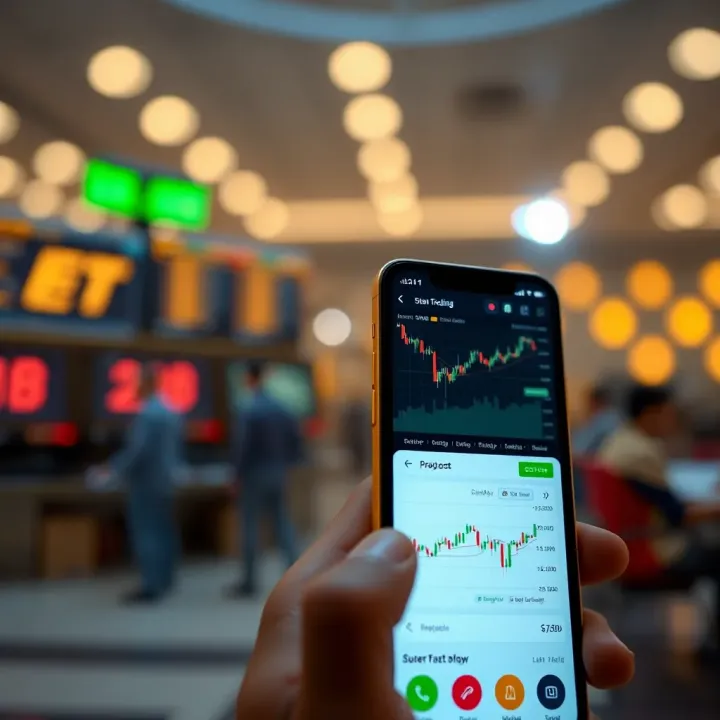
Choosing the right app depends on your preferred asset class, trading frequency, and desired features. The next sections break down what to look for when picking your ideal trading companion.
When picking a trading app, it boils down to the features that matter to traders day in and day out. User interface, security, and the tools that help you analyze and act on market info are non-negotiable. Making the right choice means balancing ease of use with strong safeguards and solid market data access.
Ease of navigation is critical. If an app feels like a maze, you’ll waste time hunting for basics like order placement or checking your portfolio. For example, Zerodha Kite is praised for its clean layout, letting users jump from charts to watchlists without breaking a sweat. A straightforward menu and clear icons speed up trades and reduce mistakes, especially when markets move fast.
Customization options let you tailor the app to fit your style. Maybe you want to rearrange dashboards, save your most-used charts, or tweak notifications for specific stocks. Apps like Upstox allow tweaking the interface so that what’s important to you is front and center. It makes a big difference when you rely on certain indicators or tracking specific market sectors.
Mobile responsiveness ensures the app works smoothly across devices. Given how many traders in India use smartphones as their main device, an app must load quickly, adapt to screen size, and keep touch controls precise. An app lagging on mobile not only causes frustration but can also mean missed opportunities during sudden market swings.
Encryption and data protection guard your personal info and transactions. Secure Socket Layer (SSL) encryption is a must so that your passwords, bank details, and trade data stay safe from hackers. Without strong encryption, your sensitive information could be intercepted, putting your funds and privacy at risk.
SEBI regulations and licenses are non-negotiable. The Securities and Exchange Board of India (SEBI) governs all trading apps to prevent fraud and protect investors. Always confirm the app holds a valid SEBI license—this legal oversight keeps platforms accountable. Without it, you might be exposing yourself to unregulated risks.
Two-factor authentication (2FA) adds a necessary security layer beyond passwords. By requiring a second verification step, often through a mobile OTP or authenticator app, 2FA makes unauthorized access much harder. When dealing with money, having this extra checkpoint is like locking an additional door to your financial house.
Real-time market data helps you catch price moves as they happen. Delayed quotes can leave you behind the curve. Apps that sync instantly with exchange feeds, like Angel Broking’s platform, allow you to respond swiftly, avoiding missed trades or poor execution prices.
Technical analysis tools empower you to read market trends and patterns. Features like candlestick charts, moving averages, and RSI indicators are staples. Without these tools integrated into the app, you’d be flipping between websites or software, which slows you down. Good apps pack these in intuitively, so you can make decisions on the fly.
Research reports and news updates provide context behind market moves. If you can access expert analyses, earnings reports, and breaking news inside the app, it’s easier to spot opportunities or red flags quickly. For example, some apps offer daily market summaries or company-specific updates which save you time and keep you informed without leaving the platform.
The bottom line is, picking the right trading app means looking beyond flashy features. Focus on usability, trustworthiness, and tools that fit your trading style. Your success depends on how well your app serves these core needs.
Reviewing India’s top trading apps helps traders and investors make informed decisions by comparing crucial features like usability, fees, and support. These reviews highlight what sets each platform apart, helping you pick an app that fits your trading style and needs. Whether you’re a beginner or an experienced trader, understanding the strengths and weaknesses of apps like Zerodha Kite, Upstox Pro, and Angel Broking saves you time and money.
Zerodha Kite stands out for its clean, user-friendly interface that simplifies trading even during volatile market hours. Its intuitive design lets you place orders quickly, track portfolios, and analyze markets on the go. Features like advanced charting tools and seamless integration with Zerodha’s back-end add real value, especially for active traders who rely on fast execution and clear data.
Zerodha is famous for its low-cost trading model, charging a flat ₹20 per order or zero for equity delivery trades. This approach suits traders who prefer frequent transactions without worrying about soaring costs. The transparent fee structure reduces unexpected charges, making it easier to plan trading strategies efficiently.
Though Zerodha provides email and chat support, some users report slow response times during peak market hours. However, its extensive knowledge base and active community forums often fill in the gaps. For traders who value quick help, testing support responsiveness might be wise before committing.
Upstox Pro offers a smooth mobile app packed with features like simplified navigation and quick access to your watchlist and order book. The app’s performance stays steady even during high market activity, avoiding frustrating delays that can cost trades.
Upstox Pro’s charting tools allow customization with indicators, drawing tools, and multiple timeframes. This setup appeals to technical traders who base decisions on visual market trends and patterns. Its real-time data feed ensures you don’t miss critical market moves.
Upstox invests in beginner-friendly educational content, including webinars and tutorials. This can bridge knowledge gaps for new traders trying to understand market basics and advanced concepts alike. Offering easy access to learning within the app helps users grow their skills without hopping between platforms.
Angel Broking boasts a reliable app experience with fewer reported crashes or slowdowns, vital for consistent trading. Behind the scenes, it uses cloud-based tech that speeds up order processing, catering well to day traders who need speed and dependability.
This app integrates well-researched reports and personalized advisory services right within the app. Investors looking for insights and strategic advice find this especially handy, as it combines market news with user-friendly analysis.
Angel Broking simplifies account setup with a mostly digital process. Its straightforward KYC verification and easy linking of bank accounts mean new traders can start investing without unnecessary delays. This smooth onboarding process is a boon in a competitive trading app market.
Choosing the right trading app involves more than popularity. You need to weigh features, costs, support quality, and stability to find what genuinely fits your trading needs.
Market trends have a clear impact on which trading apps gain traction in India. Shifts in who’s trading and how they want to trade directly shape app features and usability. Understanding these trends can help you pick an app that fits current realities, not just yesterday’s style.
The surge of first-time investors is changing the game. More everyday folks are opening trading accounts, partly thanks to better internet access and awareness campaigns. For instance, young professionals and college students who once hesitated now jump into trading with modest investments. This expanded base demands apps that welcome beginners without overwhelming them.
Alongside beginners, there’s a real push for simplified platforms. Many newcomers prefer apps that drop complicated jargon and offer straightforward navigation. Think of apps like Groww and Zerodha Kite, which focus on clean interfaces and easy order placements. These apps reduce the learning curve, helping users trade confidently without hunting for tutorials every time. Simplicity here isn’t just a buzzword; it’s a must-have feature that keeps users coming back.
AI and machine learning have found a foothold in trading apps by providing smarter recommendations and risk management tools. Apps like Upstox are beginning to include AI-driven features that analyze trading patterns and suggest timely actions. This tech doesn’t just crunch numbers fast—it tailors advice to your investment style, making your decisions sharper.
Automated trading and robo-advisors are becoming more mainstream too. These tools let you set rules or risk levels, then handle trades automatically, which suits busy traders or those less confident managing every trade manually. For example, Zerodha’s smallcase robo-advisors handle diversified portfolios based on predefined strategies. This reduces the guesswork and can keep trading disciplined during volatile markets.
Bottom line: Market trends don’t just influence what apps offer but how you experience trading. Keeping an eye on retail participation levels and tech updates ensures you pick platforms that work well for you now and adapt as markets evolve.
Getting started with a trading app in India can feel overwhelming, especially if you're new to the world of stocks and investments. It's more than just downloading an app; you need to understand your financial goals, the app's setup process, and the support available to you. This section walks you through practical tips to help you launch confidently and avoid common pitfalls early on.
Deciding between short-term trading and long-term investing shapes your entire approach. Short-term trading involves buying and selling shares within days or even minutes, so you'll rely heavily on up-to-the-minute market data and quick decisions. Long-term investing, on the other hand, is about holding assets for years to build wealth gradually, requiring patience and a casual check-in on your portfolio’s performance.
For instance, a young investor looking to build retirement savings might lean toward long-term investments in mutual funds or index stocks on apps like Groww or Zerodha. Conversely, someone wanting to capitalize on daily price swings might prefer a platform with robust real-time charts and alerts, such as Upstox or Angel Broking.
Your risk tolerance matters just as much. If you get jittery about market dips, long-term investing might suit you better since it smooths out volatility. But if you're comfortable with occasional losses in pursuit of higher returns, short-term trading could be your game.
Verification is the first step to ensure your identity and protect your funds. Most Indian apps require you to complete the KYC process using documents like your PAN card and Aadhaar. These checks aren't just formalities—they prevent fraud and unauthorized transactions.
Linking your bank account and setting up UPI (Unified Payments Interface) transfers is next. This step enables quick deposits and withdrawals, which you’ll appreciate when timing your trades. For example, apps like Zerodha allow instant payments through UPI, which is a huge convenience over traditional NEFT or RTGS transfers.
Understanding the charges involved follows closely. Trading apps might charge for trades executed (brokerage), account maintenance, or even for using certain premium tools. These fees can eat into your profits if you’re not careful. Zerodha’s flat fee of ₹20 per trade regardless of size contrasts with other platforms that charge a percentage of your trade value. Knowing these details helps you pick an app that fits your budget and trading style.
Even a seasoned trader can hit a wall with unfamiliar features, so many apps provide tutorials and webinars. These resources break down complex tools and strategies in simple terms, turning confusion into confidence. For example, Angel Broking regularly hosts live sessions that cover everything from basic order types to advanced technical analysis.
Customer support is your safety net when things go sideways. Effective apps offer multiple support channels like phone, chat, and email, with quick response times. Relying on strong support means you don’t stay stuck during critical trades, especially when markets move fast. Don't hesitate to test these services before you start trading seriously to see how responsive they are.
Bottom line: Setting up right from the start, knowing your goals, and leaning on educational resources make your trading experience smoother, safer, and more profitable.
Explore top trading apps in India 📱 Compare features, costs, and ease of use to find the perfect fit for your trading style, whether you're new or experienced.

Explore oil trading apps in India 📱: how they work, key features, benefits, regulations, and tips to trade smartly in the oil market efficiently.
Explore top online trading apps in India 📱 Learn about features, security 🛡️, costs 💰, and tips for beginners to trade smartly and safely.

Explore legal trading apps in India 📱: key features, compliance, and tips to trade safely and smartly within Indian laws. Make informed choices today!
Based on 14 reviews